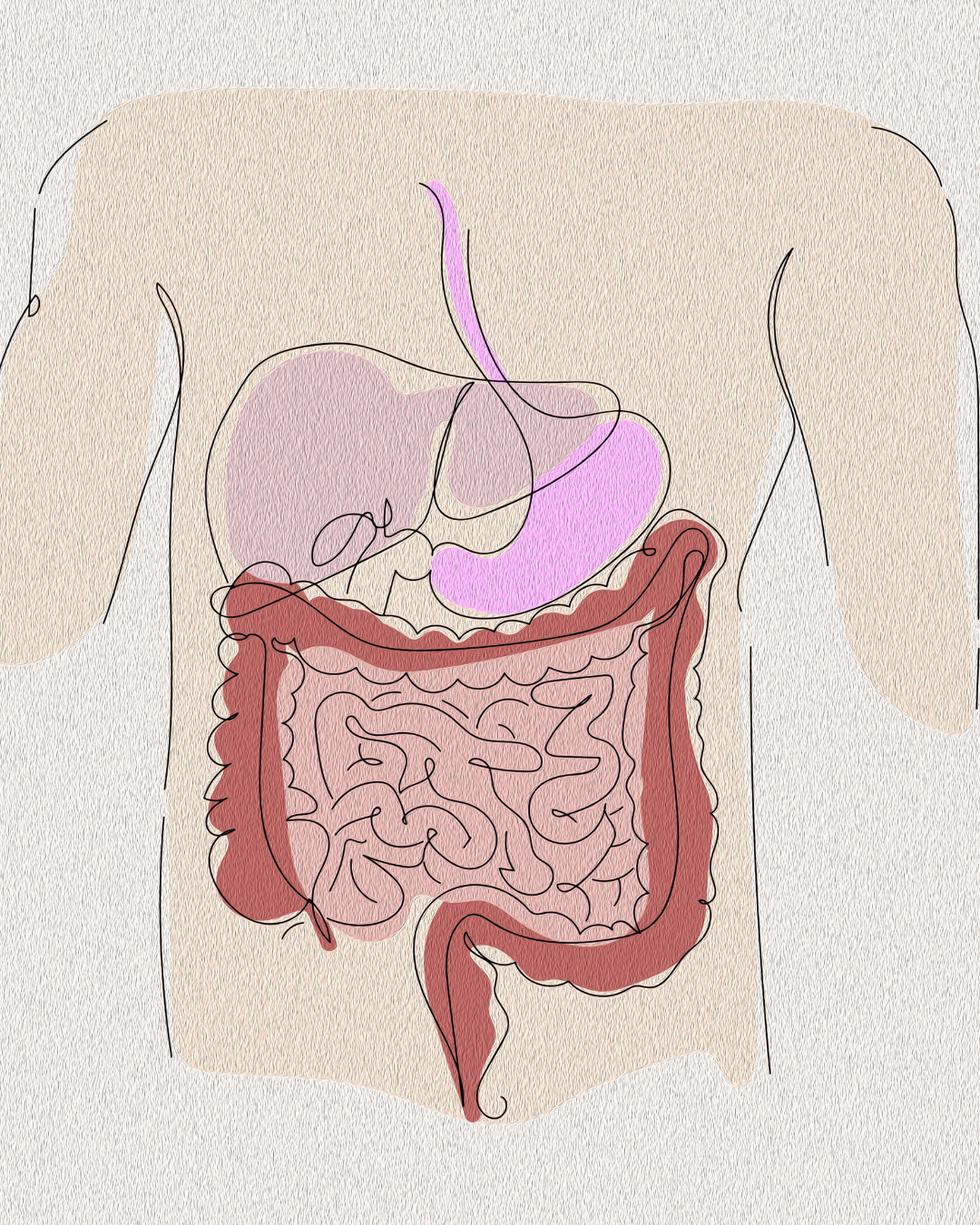
We've all had hiccups. They're annoying, a little embarrassing, and usually gone within a few minutes. But for some people, hiccups never stop — lasting days, weeks, or even years. This is called intractable hiccups, and it's a genuinely debilitating medical condition that researchers are only beginning to understand how to treat.
Here's what the science says — and why a nerve you've probably never heard of might hold the key to relief.
What's actually happening when you hiccup?
Your body triggers a sudden, involuntary contraction of the diaphragm (the main breathing muscle beneath your lungs), immediately followed by a rapid closure of your vocal cords — which creates the 'hic' sound.
At the centre of it, this loop between brain and body is the vagus nerve — a long, wandering nerve that runs from your brainstem all the way down into your abdomen. It acts as a major communication highway between your brain and your organs, and it plays a starring role in both triggering and potentially stopping hiccups.
The brain regions involved sit deep in the brainstem, and brain neurotransmitters like dopamine and GABA appear to regulate whether the reflex fires or stays quiet. Disrupt this system — through illness, surgery, or certain medications — and hiccups can become stuck in a loop.
What can help?
Simple vagal toning techniques, designed to stimulate the vagus nerve can help and essentially "reset" the reflex. These include
The valsalva manoeuvre: taking a deep breath in, holding it in and as you pinch your nose and seal your lips, attempting to exhale as if blowing up your lungs like a balloon
Swallowing ice or cold water
Applying gentle pressure to the eyelids / eyeballs
Massaging the carotid artery in the neck
These work reasonably well for ordinary, short-lived hiccups. The problem is that for chronic or intractable cases, they often offer little more than temporary relief.
Other approaches like acupuncture, hypnosis, and various medications have been tried, with mixed results and limited scientific evidence backing them up.
For those whose hiccups won't go away, vagus nerve stimulation (VNS) may be helpful. There are various devices you buy to do this from a simple TENS machine to having an implant which is a small device — a bit like a pacemaker — that delivers gentle electrical pulses to the vagus nerve. The latter is already an established treatment for epilepsy and depression.
One notable case involved an 85-year-old man who had suffered from intractable hiccups for nine years, triggered originally by pneumonia. After receiving a VNS implant, he experienced meaningful — though not complete — relief. His case, published in a surgical journal, adds to a small but growing collection of similar reports suggesting VNS could be a genuine option for people in this situation.
The evidence for VNS in hiccups currently comes from individual case reports, not large clinical trials. That means it’s not possible to say with confidence how often it works, for whom, or how much improvement to expect.
There's also a basic problem in that researchers don't have a standardised way to measure hiccups. In the case above, doctors had to use a simple 1–10 self-reported scale because no validated hiccup assessment tool exists. That makes it hard to compare results across studies or track progress reliably.
And while the vagus nerve is clearly central to all of this, scientists still don't fully agree on exactly how VNS interrupts the hiccup reflex — the precise brain pathways involved remain an active area of investigation.
Intractable hiccups can seriously affect quality of life, sleep, eating, and mental health. For most people, simple home remedies or medications may help; but for those at the severe end of the spectrum, vagus nerve stimulation offers a promising, still experimental, avenue.
If your hiccups last more than 48 hours, it's worth talking to a healthcare professional.
References:
Petroianu, G. (2014). Treatment of Hiccup by Vagal Maneuvers. Journal of the History of the Neurosciences, 24(2), 123-136. https://doi.org/10.1080/0964704x.2014.897133
Tariq, K., Das, J. M., Monaghan, S., Miserocchi, A., & McEvoy, A. (2021). A case report of Vagus nerve stimulation for intractable hiccups. International Journal of Surgery Case Reports, 78(C), 219–222. https://doi.org/10.1016/j.ijscr.2020.12.023
Image by Bianca Van Dijk